Round-Up Savings: The “Spare Change” Trick That Can Quietly Build a Safety Buffer
Round-up savings moves tiny “spare change” amounts from purchases into savings. Here’s how it works, what it costs, and how to set it up smart.
- Round-ups save automatically by skimming small amounts from card purchases—great for people who forget to transfer money manually.
- Watch for hidden costs: subscription fees, low interest, and overdraft risk if you round up from a tight checking balance.
- You can DIY round-ups with bank rules or scheduled transfers, and you can dial the speed up (or down) with multipliers.
What “round-up savings” actually is (and why it feels painless)
Round-up savings is a simple idea: every time you buy something, your app or bank rounds the purchase up to the nearest dollar (or euro, etc.) and moves the difference into savings. Spend $3.60 on coffee, and $0.40 gets tucked away. Buy groceries for $47.15, and $0.85 goes into savings.
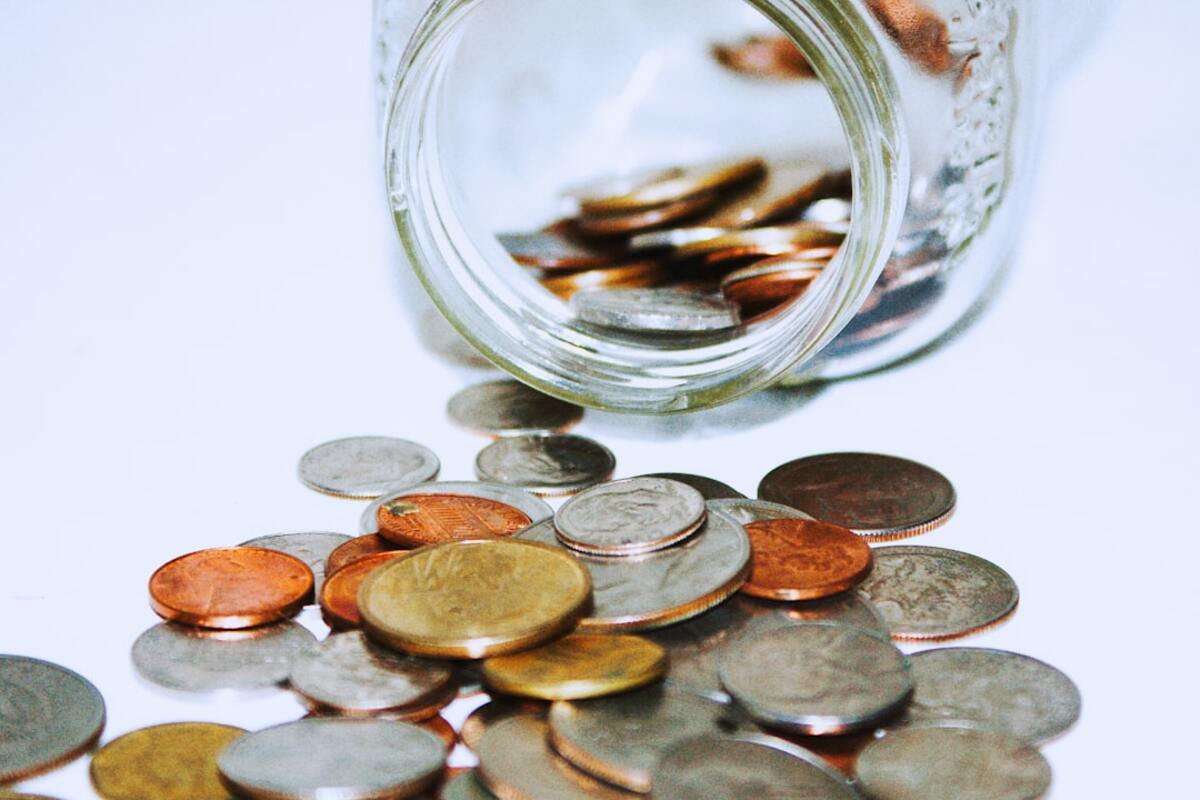
It’s the digital version of tossing coins into a jar—except you’re not carrying cash, and the “jar” is a savings account. The reason it feels so effortless is that it relies on micro-decisions you don’t have to make. You’re already buying lunch or paying for a subway ride; the savings happens as a side effect.
For many people, the hard part of saving isn’t math—it’s consistency. Round-ups help with consistency because they happen automatically, without needing a monthly budgeting meeting with yourself.
Here’s a quick real-life scenario:
Sam wants an emergency fund but never remembers to transfer money. Sam turns on round-ups and spends normally for a month. At the end of the month, Sam notices $22 moved into savings. It’s not life-changing—but it’s something, and it happened without effort. Next month Sam adds a “2x round-up” option and starts seeing $40–$60 show up.
That’s the core promise: small, frequent wins that gradually create momentum.
| Purchase | Amount | Rounded to | Saved |
|---|---|---|---|
| Coffee | $3.60 | $4.00 | $0.40 |
| Groceries | $47.15 | $48.00 | $0.85 |
| Online subscription | $9.99 | $10.00 | $0.01 |
| Gas | $31.22 | $32.00 | $0.78 |
Notice something important: some round-ups are tiny (like $0.01). The strategy isn’t about any single purchase. It’s about the accumulation across dozens of transactions.

Where the money goes: common setups (and which one fits your life)
Round-up savings can be offered by banks, budgeting apps, card issuers, or fintech apps. The “rounding” part is similar, but the destination and rules can vary. Here are the most common ways it’s set up and what each one is best for.
1) Round-ups into a linked savings account
This is the classic version: you spend on your debit card, and the app transfers the round-up amount into savings—sometimes instantly, sometimes in batches.
Best for: building a starter emergency fund, saving for a small goal (like a weekend trip), or just creating a “buffer” so your checking account feels less fragile.
Watch for: timing. If transfers happen immediately and your checking account runs tight, round-ups can increase overdraft risk (more on that later).
2) Round-ups into an investing account
Some services route round-ups into a brokerage or robo-investing account. In theory, you’re investing your spare change.
Best for: people who already have a small cash cushion and want a low-friction way to start investing.
Watch for: volatility and fees. Investing round-ups can go down in value, and small, frequent contributions can be less helpful if you’re paying a subscription fee that eats most of the benefit.
3) “Multiplier” round-ups
Instead of saving only the change to the next dollar, some apps let you save 2x, 5x, or 10x the round-up amount. A $0.40 round-up becomes $0.80 (2x) or $2.00 (5x).
Best for: people who like the automation but want it to make a noticeable difference.
Watch for: lifestyle mismatch. A 10x multiplier can be great if you have cash flow, but painful if you’re living paycheck to paycheck.
4) Round-ups with “rules” (DIY-style)
Even if your bank doesn’t have an official round-up feature, you can mimic it with rules: set a weekly transfer (e.g., $10 every Friday) or create a “spare change” habit by moving a fixed amount after specific triggers (like every time you order delivery).
Best for: people who want control, dislike extra apps, or want to avoid subscription fees.
To choose the right setup, ask two practical questions:
- Do I need cash safety first? If you don’t have at least a small buffer, prioritize round-ups to savings rather than investing.
- Do I want “invisible” or “noticeable” saving? Basic round-ups are nearly invisible. Multipliers or weekly transfers are more noticeable—but can build funds faster.
Think of round-ups like a speed setting on a treadmill: the default pace gets you moving, but you can adjust once you know what feels sustainable.
The fine print: fees, overdrafts, and other “gotchas” (plus how to avoid them)
Round-up savings is friendly on the surface, but you’ll get better results if you look for a few common pitfalls. None of these are dealbreakers; they’re just the difference between “neat feature” and “quietly effective system.”
1) Subscription fees can cancel out your progress
Some apps charge a monthly fee (for example, $3–$10/month) for round-ups and other features. If your round-ups average $15/month and you pay $5/month, that’s a big percentage cost.
Simple check: look at last month’s round-up total and compare it to the monthly fee. If fees are more than about 10–20% of what you’re saving, consider a cheaper option or a DIY approach.
2) Overdraft risk is real if your checking balance runs tight
Round-ups are usually small, but overdrafts are not. If your balance is often close to zero, even an extra $8–$15 across a few days can push you into fees.
How to reduce the risk:
- Choose a provider that batches transfers (e.g., once per day or once per week) rather than instantly, if that helps you track what’s happening.
- Set a “minimum balance” rule if available (only round up when balance is above $X).
- Use a low multiplier (or no multiplier) until you consistently keep a cushion.
3) Round-ups can give a false sense of “I’m saving enough”
Round-ups are a great starter habit, but they’re rarely enough by themselves for bigger goals (like three months of expenses). The danger is emotional: because it feels like you’re doing something responsible, you might delay more impactful steps.
A helpful mindset: treat round-ups as your baseline autopilot, not your entire savings plan.
4) Your spending pattern determines your savings pattern
If you buy a lot of small items, round-ups can add up faster. If you mostly pay rent, utilities, and a few big purchases, you might see small results. Also, some providers exclude certain transactions (like ATM withdrawals or bill pay).
Practical tip: check what counts as an eligible transaction so you’re not surprised by lower-than-expected savings.
5) Interest rates matter—especially if this becomes your emergency fund
If round-ups are building your cash buffer, where that cash sits matters. A higher-yield savings account will grow more than a low-interest account over time.
Quick win: if your bank offers round-ups only into a low-interest savings account, consider periodically transferring the accumulated amount into a better-yielding account (monthly or quarterly), if it’s easy and fee-free.
They can if you’re tracking every dollar tightly and the transfers post at unpredictable times. If you budget closely, pick a service that batches transfers, or set your own weekly transfer so the timing is consistent.
They can if you’re tracking every dollar tightly and the transfers post at unpredictable times. If you budget closely, pick a service that batches transfers, or set your own weekly transfer so the timing is consistent.
If your debt has high interest (like many credit cards), round-ups to cash savings or extra debt payments may be more helpful first. Investing round-ups make more sense once you have breathing room and a small emergency cushion.
If your debt has high interest (like many credit cards), round-ups to cash savings or extra debt payments may be more helpful first. Investing round-ups make more sense once you have breathing room and a small emergency cushion.
It depends on how often you use your card and whether you use a multiplier. Many people see anywhere from a few dollars to a few dozen dollars per month with basic round-ups. Multipliers can increase that—just make sure your cash flow can handle it.
It depends on how often you use your card and whether you use a multiplier. Many people see anywhere from a few dollars to a few dozen dollars per month with basic round-ups. Multipliers can increase that—just make sure your cash flow can handle it.
If you want to make round-ups more effective without overthinking it, try a simple “ladder” approach:
- Week 1–2: Turn on basic round-ups to savings and watch your balance behavior.
- Week 3–4: If your checking account stays comfortable, try a 2x multiplier or add a small weekly transfer.
- Month 2+: Once you’ve built a mini cushion, route round-ups to a dedicated goal (emergency fund, car repairs, holiday gifts) so the money has a job.
Round-up savings works best when it’s treated like background music: not the whole song, but it changes the atmosphere. Over time, those tiny transfers can create a surprisingly calming effect—because the next unexpected expense doesn’t feel like it’s coming out of nowhere.