How to Spot a Rental Scam (and What to Do If You’ve Already Paid)
Rental scams are everywhere—from fake listings to “too good to be true” deals. Learn the red flags, safe payment steps, and how to respond fast if money is gone.
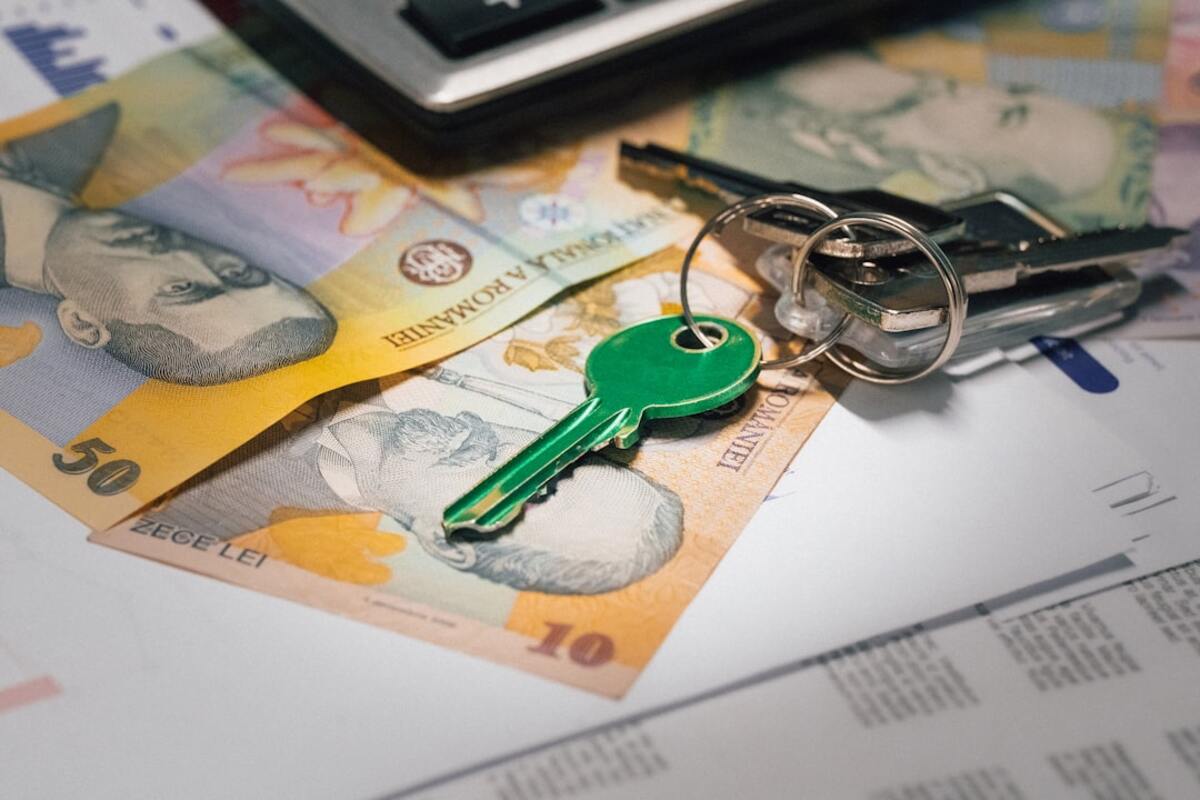
- If the price is far below similar rentals and the landlord “can’t show it,” treat it as a high-risk listing.
- Never pay by wire transfer, crypto, or gift cards; use traceable payments and verify ownership before sending a deposit.
- If you’ve paid, act quickly: contact your bank, preserve evidence, report the listing, and file local and federal reports.
The modern rental scam: why it works on smart people
Looking for a place to live can feel like speed-dating with deadlines: listings disappear fast, landlords get “multiple offers,” and you’re trying to make decisions from your phone between work meetings. Scammers love this environment because pressure is their best tool. They don’t need you to be careless—just busy, hopeful, and a little rushed.
Most rental scams are simple: a fake “landlord” advertises a home or apartment they don’t actually control, convinces you to send money (deposit, first month, “application fee”), and vanishes. The listing might be completely made up, or it might use real photos and an address from a legitimate property that’s for sale, recently rented, or owned by someone else.
Here’s a real-life style scenario: you find a two-bedroom that’s surprisingly affordable in a popular neighborhood. The “owner” replies instantly, sounds friendly, and says they’re out of town for work but can mail keys after you pay the deposit. They send a lease that looks official. You’re told three other people want it and you need to “secure it today.” That urgency is not a coincidence; it’s the scam’s engine.

Red flags that show up again and again (with quick reality checks)
One red flag alone doesn’t always prove a scam, but scams usually come in clusters. If you spot two or three of the patterns below, slow down and verify before you send any money or personal information.
1) The price is oddly low compared to similar rentals
Scammers often bait with a discount that makes you feel lucky. A good gut-check is to compare at least 5–10 similar listings in the same area. If most two-bedrooms are around $2,300 and this one is $1,650 with “all utilities included,” ask why. Sometimes there’s a real reason (bad condition, awkward layout, busy road), but a vague explanation like “I just want a good tenant” should make you cautious.
2) They won’t show the property—or they offer excuses that keep you outside
Common lines include: “I’m overseas,” “the tenants are still inside,” “the keys are with my cousin,” or “you can look through the windows.” Legitimate landlords and property managers typically have a clear viewing process. If they won’t do an in-person showing, ask for a live video tour where they walk through the unit and respond to specific requests (“Open the fridge,” “Show the view from the bedroom window,” “Walk to the mailbox and show the unit number”). Scammers hate live, specific requests because they’re operating from photos.
3) Payment methods that can’t be reversed
If they push wire transfers, crypto, gift cards, or payment apps with no purchase protection, assume risk is high. A real landlord may accept Zelle or similar, but reputable property managers usually offer more standard options and documentation. The key question: Can you dispute the transaction if the rental is fake? If the answer is “no,” don’t send it.
4) “Application fees” before you’ve verified the home is real
Small fees can feel harmless—until you realize the scammer’s goal may be to collect dozens of them. It’s reasonable for a landlord to charge an application fee in many places, but you should still verify the person and the property first. Ask who runs the screening, what the fee covers, and whether you’ll receive a receipt and a copy of the criteria. If they can’t answer basic questions, stop.
5) Pressure tactics and emotional manipulation
“I’m a single parent and need help,” “I’m a missionary abroad,” “I got burned by bad tenants so I need money upfront,” or “If you don’t pay in the next hour, it’s gone.” These stories are designed to make you feel guilty or panicked. Real renting can move fast, but it rarely demands immediate irreversible payment without a showing and verified paperwork.
6) The listing looks “copied and pasted” from somewhere else
A quick check: copy a sentence from the listing description and paste it into a search engine in quotes. If the same text appears on an older listing, or on a sale listing with a different contact name, you may be looking at scraped content.
7) Email and messaging oddities
Watch for mismatched names, odd grammar, or a “landlord” using a random email that doesn’t match the company they claim to represent. Not everyone writes perfectly, but scammers often trip over details: the property address changes mid-conversation, the unit number disappears, or the “owner” can’t answer basic questions about trash day, parking permits, or which utilities you set up.
8) They avoid signing or providing standard documents
A legitimate rental process usually includes a lease, disclosures, and clear move-in terms. If the “lease” is a one-page template with missing legal names, no property manager address, or no local compliance language, treat it like a prop rather than protection.
| What you see | Why it’s risky | Safer next step |
|---|---|---|
| “Owner is out of town, pay to get keys” | Classic move to avoid a real showing | Request a live video tour + verify ownership before any payment |
| Deposit requested via wire/crypto/gift cards | Hard to recover, little buyer protection | Use traceable, disputable payment methods and get receipts |
| Listing price far below the neighborhood | Bait that overrides your caution | Compare comps; ask for a reason you can verify (condition, timing, incentives) |
| They won’t answer basic unit questions | They may not control the property | Ask specific questions (utilities, parking, unit number, move-in process) |
A simple “verify before you pay” checklist you can do in 20 minutes
You don’t need to become a property detective. You just need a few repeatable checks that stop the most common scams.
Step 1: Verify the address and unit details
Search the exact address and unit number. Does it show up as “for sale,” “recently sold,” or “already rented” on other sites? If you find a sale listing, compare the photos. Scammers often steal those photos. If the same kitchen appears everywhere, but your “landlord” claims it’s available tomorrow, pause.
Step 2: Check who owns or manages the property
Many areas have public property records online (often through a county assessor or recorder). Look up the owner name. If the person messaging you is not the owner and claims to be an agent, ask for their brokerage details and verify independently by calling the brokerage number from its official website (not the number they texted you).
Step 3: Ask for a live tour with “proof of control”
A legitimate person can usually show you the unit, even if it’s occupied (with notice), or they can show an identical unit. In a live video call, ask them to:
- Show the building number and street sign
- Enter the unit and turn lights on/off
- Open a closet or cabinet
- Show the view out the window or balcony
Step 4: Don’t “reserve” with money—reserve with verification
In competitive markets, you may feel like you have to pay to hold your spot. A safer approach is to move fast on paperwork that doesn’t involve sending cash to a stranger: submit an application through a known portal, ask for a written receipt for any fee, and confirm the identity of the landlord/manager first.
Step 5: Protect your personal information
A scammer may want your money and your identity. Be cautious about sending:
- Your Social Security number via email or text
- Photos of your ID to an unverified contact
- Bank statements or pay stubs that include full account numbers
Step 6: Use a payment trail you can prove
If everything checks out and you’re ready to pay, use methods that create documentation: credit card (where possible), property management portals, or other traceable methods with receipts. Keep copies of the lease, payment confirmations, and all communications.
If you already paid: what to do in the next 24 hours
It’s easy to freeze after realizing you might have been scammed. But speed matters. The faster you act, the better your chances of stopping or recovering funds—and of preventing the scammer from using your personal information.
1) Contact your bank or payment service immediately
Call the fraud department and explain you believe you sent money to a fraudulent rental. Ask about reversing the payment, freezing it, or initiating a dispute. Different payment types have different options:
- Wire transfer: time-sensitive; banks may attempt a recall, but success varies.
- Debit/credit card: you may be able to dispute, especially if it was processed as a card payment.
- Peer-to-peer apps: often limited protection, but still report immediately.
- Crypto: usually not reversible, but report anyway; exchanges sometimes assist with investigations.
2) Preserve evidence (don’t clean up the chat)
Take screenshots of:
- The listing (including URL)
- All messages and emails
- Any lease or “rental agreement” they sent
- Payment receipts, transaction IDs, wallet addresses, or bank details provided
3) Report the listing where you found it
Use the platform’s reporting tool. Include details: the user name, phone number, email, and any payment info they provided. This can help remove the scam listing faster and protect other renters.
4) File official reports (yes, even if it feels like shouting into the void)
Reports create a paper trail that can support chargebacks, bank investigations, and broader enforcement. Depending on where you live, consider:
- Your local police (non-emergency line) for a report number
- Consumer protection agencies
- In the U.S.: the FTC (ReportFraud.ftc.gov) and the FBI’s IC3 (ic3.gov) for online fraud
A lease template is easy to download and edit. What matters is whether the person signing it can prove they own or manage the property and can legally rent it to you. Verification beats paperwork that came from an unknown inbox.
A lease template is easy to download and edit. What matters is whether the person signing it can prove they own or manage the property and can legally rent it to you. Verification beats paperwork that came from an unknown inbox.
It can be normal to pay a deposit after you’ve toured the unit, been approved, and signed a lease with a verified landlord or property manager. It’s risky to pay anything before you’ve confirmed the person’s identity and access to the property.
It can be normal to pay a deposit after you’ve toured the unit, been approved, and signed a lease with a verified landlord or property manager. It’s risky to pay anything before you’ve confirmed the person’s identity and access to the property.
Use a live video tour with specific requests, verify ownership/management through public records or an independently verified company number, and consider using a reputable local agent or short-term stay first. The goal is to avoid sending money based only on photos and promises.
Use a live video tour with specific requests, verify ownership/management through public records or an independently verified company number, and consider using a reputable local agent or short-term stay first. The goal is to avoid sending money based only on photos and promises.
Rental hunting should feel like comparing homes—not like defusing a bomb. The good news is that most scams collapse under basic verification. When you slow the process down just enough to confirm who you’re dealing with, you remove the scammer’s biggest advantage: your urgency.