Why Smart Rings Are Suddenly Everywhere (and What They Actually Track)
Smart rings promise sleep, stress, and activity tracking without a bulky watch. Here’s what they measure, how accurate they are, and who they fit best.
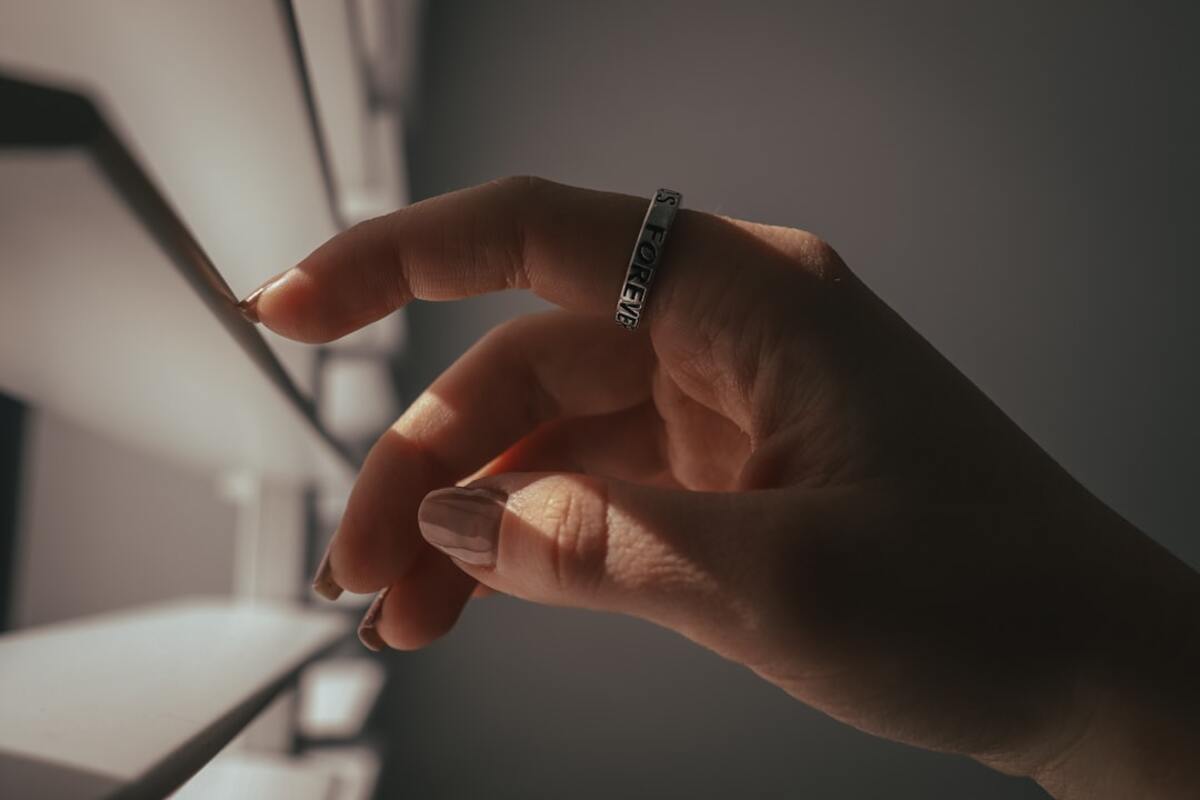
- Smart rings focus on recovery signals like sleep, heart rate, and temperature—not just steps.
- They’re great for 24/7 tracking comfort, but workouts and GPS-heavy features still favor smartwatches.
- Privacy and subscriptions matter: know what data is stored, shared, and paywalled before you buy.
What a smart ring is (and why people are switching from watches)
Smart rings are wearable trackers shaped like regular rings. They’re designed to blend into everyday life: no bright screen, no constant buzzing, and no “I forgot to charge my watch again” feeling (though you do still need to charge them). The big appeal is that a ring can be comfortable 24/7—during sleep, showers, meetings, and even when you’d rather not wear something that looks sporty.
Think of a smart ring like a tiny health diary that writes itself. Instead of asking you to log how you slept or how stressed you felt, it watches for body signals that usually change when you’re tired, sick, overtrained, or well-rested. The goal isn’t to turn you into an athlete. It’s to give you a simple read on patterns you already experience—like why you’re dragging on Tuesday or why coffee suddenly hits harder after a short night.
Why the sudden popularity? A few forces are colliding:
- Better sensors in smaller spaces: rings can now measure pulse and temperature trends more reliably than earlier attempts.
- “Quiet tech” tastes: some people want insights without another screen.
- Work-from-anywhere routines: sleep, stress, and recovery are now mainstream topics, not niche fitness talk.
Here’s a quick real-life scenario: you’re in a long meeting day, then you hit the gym at night. A watch might shine during the workout, but a ring shines in the background—tracking the overnight aftermath: Was your heart rate higher than usual? Did you toss and turn? Did your body temperature trend up, suggesting you might be fighting something off? That’s the “ring advantage”: recovery context.

What smart rings actually measure (with plain-English examples)
Smart rings don’t measure your health directly the way a lab test does. They measure signals—mostly through light-based sensors on the inside of the ring—and turn them into estimates and trends. The most useful mindset is: look for patterns, not perfection.
Most smart rings track a similar set of metrics. The names vary by brand, but the ingredients are often the same:
| What it tracks | What it’s used for | Everyday example |
|---|---|---|
| Heart rate (HR) | Basic exertion and recovery signals | Your resting HR is higher than normal after a late night or a big meal. |
| Heart rate variability (HRV) | Often used as a “stress/recovery” trend | After a calm weekend, HRV trends up; after travel + poor sleep, it trends down. |
| Skin temperature trend | Detecting deviations from your baseline | Your temp trend rises slightly before you feel a cold coming on. |
| Sleep stages & timing | Sleep quality and consistency | You “slept 8 hours,” but deep sleep was short because you went to bed late. |
| Respiration rate | Another recovery/illness trend signal | Breathing rate ticks higher after a tough workout day or when you’re congested. |
| Movement/steps | General activity level | Your ring notices you were unusually sedentary on a day full of Zoom calls. |
| Blood oxygen (SpO₂) (some models) | Sleep breathing clues and altitude adjustment | At high altitude, SpO₂ trends lower; you may feel more tired than usual. |
Heart rate variability (HRV) is the one that confuses people most. Despite the name, it’s not about your heart being “unreliable.” It’s about the tiny natural variation in time between beats. Many trackers interpret higher HRV (for you) as a sign you’re more recovered, and lower HRV as a sign you’re under strain. The key phrase is “for you.” Comparing your HRV to your friend’s is like comparing shoe sizes—interesting, but not especially helpful.
Temperature tracking is also misunderstood. Smart rings typically track skin temperature trends, not a precise thermometer reading you’d use to confirm a fever. What makes it useful is the baseline. If your ring learns your normal range, it can flag when you’re above or below it. That can be eye-opening in everyday situations: travel, alcohol, stress, late meals, and hormonal cycles can all shift temperature trends.
And then there’s sleep tracking. Rings are popular here because they’re small and usually comfortable in bed. Many people discover they’re not just short on sleep—they’re inconsistent. If you go to bed at 10:30 one night and 1:00 the next, the ring may show the same total hours but very different recovery patterns.
Accuracy, comfort, and privacy: what to know before you buy (and how to use one sanely)
Smart rings are impressive, but they’re not magical. Knowing their limitations upfront makes them far more useful (and less frustrating).
1) Accuracy depends heavily on fit. A ring is a sensor pressed against skin. If it’s too loose, it shifts and light leaks in; too tight and it can be uncomfortable or affect readings. Many brands recommend wearing it on specific fingers for the best sensor contact. If you’re between sizes, pay attention to sizing kits and return policies.
2) Rings are usually better at “all-day and all-night” than “high-intensity workout.” During activities with lots of hand movement (kettlebells, rock climbing, rowing, heavy lifting), a ring can be less comfortable and sometimes less reliable. Watches often have an advantage for workouts because they’re built for exercise controls, GPS, and big displays you can glance at mid-run. Rings tend to shine at passive tracking: sleep, resting heart rate, and long-term trends.
3) The most valuable feature is often the baseline. If you try a ring for three days and expect life-changing insight, it may feel underwhelming. Over weeks, it learns your normal. That’s when it becomes useful: “This week is off.” It’s like noticing your phone battery draining faster than usual—you don’t need to measure every electron to know something changed.
4) Subscriptions can change what you get. Some rings include the hardware and then charge a monthly fee for deeper analysis, readiness scores, long-term reports, or advanced sleep insights. Before buying, check what’s included without paying extra. A simple rule: if the marketing highlights “insights,” look for whether insights are locked behind a plan.
5) Privacy isn’t just a checkbox—your ring is collecting intimate patterns. Sleep timing, heart trends, temperature trends: these are personal signals. If you’re using a ring, it’s worth skimming the privacy policy with a few specific questions in mind:
- Where is your data stored (on-device vs cloud)?
- Can you export or delete your data easily?
- Is data shared with partners for advertising or research—and is it opt-in?
If you’re using the ring through an employer wellness program, be extra careful. Even when companies promise anonymity, it’s smart to understand what is aggregated, what is identifiable, and what you’re consenting to.
How to use a smart ring without getting obsessed
Wearables can be empowering or anxiety-inducing. The difference is usually how you interact with them. A simple approach that works for many people:
- Check trends, not hourly swings. One weird night happens; three weird nights is a pattern.
- Use it to run small experiments. Example: “No caffeine after 2 PM for a week—what happens to my sleep?”
- Let the ring inform, not decide. If you feel great but your score is low, treat it as a yellow light, not a stop sign.
For many people, it can replace the tracking part (sleep, recovery, basic activity). But if you rely on GPS runs, on-wrist notifications, music controls, or detailed workout screens, a smartwatch is still the better tool.
For many people, it can replace the tracking part (sleep, recovery, basic activity). But if you rely on GPS runs, on-wrist notifications, music controls, or detailed workout screens, a smartwatch is still the better tool.
These scores are summaries built from signals like HR, HRV, temperature trend, and sleep. They’re useful for spotting patterns, but they can miss context (stressful news, unusual hydration, medication, travel). Treat them like a weather forecast: helpful, not absolute.
These scores are summaries built from signals like HR, HRV, temperature trend, and sleep. They’re useful for spotting patterns, but they can miss context (stressful news, unusual hydration, medication, travel). Treat them like a weather forecast: helpful, not absolute.
For most people, yes, but comfort and skin irritation matter. Take it off to clean the ring and your skin, and consider removing it for heavy lifting or activities where the ring could catch on something.
For most people, yes, but comfort and skin irritation matter. Take it off to clean the ring and your skin, and consider removing it for heavy lifting or activities where the ring could catch on something.
One last practical note: if you like the idea of learning about your sleep and stress without living on another screen, a smart ring is a surprisingly friendly tool. It’s at its best when it quietly gathers data in the background—then gives you a few nudges that help you notice what your body has been trying to tell you all along.