Revenge Bedtime Procrastination: Why You Stay Up Late Even When You’re Tired
If you keep scrolling, snacking, or “just watching one more” at night, it may be revenge bedtime procrastination. Here’s why it happens—and what helps without strict rules.
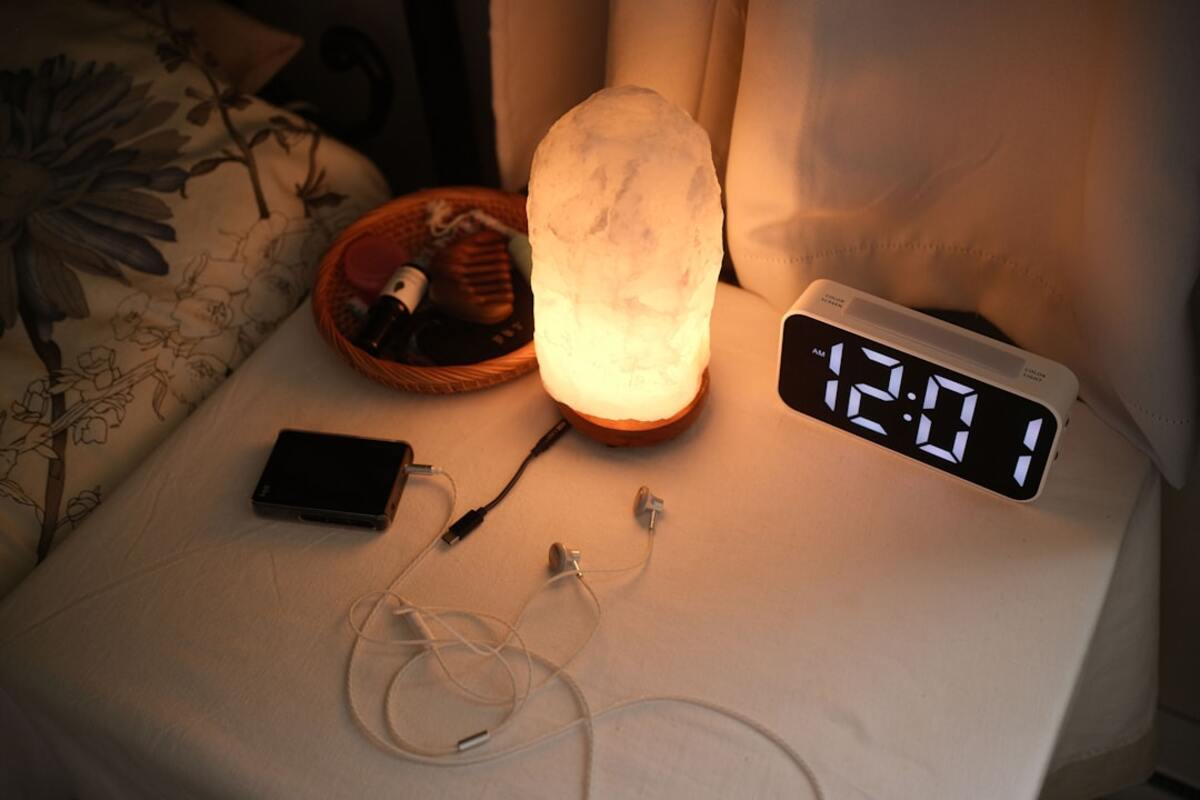
- Revenge bedtime procrastination often isn’t laziness—it’s a craving for personal time after a day that didn’t feel like yours.
- Small changes (a “buffer zone,” easier mornings, and better evening friction) work better than big willpower promises.
- You can keep your evening freedom while still protecting sleep by redesigning the last 60–90 minutes, not your whole life.
What “revenge bedtime procrastination” looks like in real life
You’ve been tired since 3 p.m. You even wanted to go to bed early. But suddenly it’s 12:47 a.m. and you’re still awake—watching videos, playing a game, reorganizing a drawer, reading “one more” thread, or deep-diving a random topic you didn’t care about at noon.
In the morning you’ll be annoyed at yourself. At night, though, it feels like the only time that belongs to you.
That pattern has a name: revenge bedtime procrastination. It’s when you delay sleep to reclaim free time—especially after a day that felt packed, controlled, or emotionally demanding. The “revenge” part isn’t about being dramatic. It’s about pushing back against a schedule that didn’t leave room for you.
It’s also common. People who work long hours, juggle caregiving, study, or spend their days in meetings often describe the same feeling: “If I go to bed now, my whole day was just work.”
Here’s a quick everyday scenario:
- 9:30 p.m. You finally finish chores. You sit down “for a minute.”
- 10:15 p.m. You realize you haven’t done anything fun all day. You open an app for a little reward.
- 11:40 p.m. You’re tired, but stopping feels like surrender. You tell yourself: “Tomorrow I’ll sleep earlier.”
- Next morning you wake up groggy and swear you won’t do it again… until you do.
This isn’t only about screens. Screens are just the easiest “instant fun” tool. Revenge bedtime procrastination can also look like late-night cleaning, hobby projects, online shopping, or even answering messages you don’t need to answer.

Why it’s so hard to stop (even when you know you should)
Most advice treats late nights like a simple discipline problem: set a bedtime, be responsible, turn off your phone. But revenge bedtime procrastination usually has deeper fuel than a weak alarm clock.
1) Your brain is trying to balance the fairness books.
When your day is full of obligations—work tasks, family needs, deadlines—your mind keeps track of what you didn’t get: choice, autonomy, enjoyment, quiet. Late night becomes a “no one can ask anything from me now” zone. That’s powerful.
2) The night offers low-stakes control.
During the day you might have to be polite, productive, quick, and available. At night you can be slow and messy. You can watch something silly. You can snack. You can exist without performing. Sleep, ironically, feels like giving up that control.
3) You’re not just tired—you’re depleted.
Tired is physical. Depleted is emotional and mental. When you’re depleted, you crave comfort and easy dopamine (reward). That’s why “just go to bed” feels like telling a hungry person to “just stop thinking about food.”
4) The activities are designed to keep you going.
Autoplay, endless feeds, “next episode,” bright notifications—these reduce the number of decisions you have to make to continue. When your willpower is low, frictionless entertainment wins.
5) Tomorrow anxiety can sneak in.
Sometimes staying up is a way to postpone tomorrow. If tomorrow feels stressful, bedtime can feel like fast-forwarding into pressure.
One helpful way to think about it: revenge bedtime procrastination is often a time problem wearing a sleep costume. If your life regularly doesn’t give you enough “you time,” you might try to steal it back from sleep—because sleep is the only flexible block left.
| What you tell yourself at night | What you might actually be needing | A gentler translation |
|---|---|---|
| “I deserve this.” | Reward and pleasure | “I need something enjoyable that doesn’t cost me tomorrow.” |
| “This is my only quiet time.” | Peace and privacy | “I need a protected pocket of calm earlier too.” |
| “I’ll stop after this.” | Ease of stopping | “I need an off-ramp that’s as easy as continuing.” |
| “If I go to bed, the day is over.” | Closure and transition | “I need a better ending to my day.” |
How to reclaim your evenings without turning bedtime into a battle
The goal isn’t to become a perfect sleeper overnight. The goal is to stop treating sleep as the place where your free time has to come from.
Below are practical approaches that work well together. Pick one or two—stacking too many rules can backfire and make bedtime feel even more controlled.
1) Create a “buffer zone” that counts as real free time
Many people go straight from “obligations” to “bed,” with nothing in between. Then the brain protests: “Wait, where was my time?” A buffer zone is a short block (even 20 minutes) that is intentionally yours.
- Set a timer for 20–30 minutes.
- Do something that feels like a treat but doesn’t hook you for hours: a shower with a playlist, a stretch routine, a chapter of a light book, a short game with a hard stop, journaling, making tomorrow’s coffee/tea setup.
- The key is labeling it: “This is my time.” Not chores. Not “productive relaxing.”
Think of it like giving a toddler a snack before they melt down. You’re feeding your need for autonomy before it tries to raid the pantry at midnight.
2) Move “me time” earlier by 10%—not by an hour
If the only personal time you have is late night, trying to move it earlier by a full hour can feel impossible. Try a 10% shift.
- If you usually start personal time at 10:30 p.m., try 10:20 for a week.
- Or protect 15 minutes after work before you start chores.
- Or take a real lunch break twice a week (even if it’s short).
This works because revenge bedtime procrastination often shrinks when the day contains even a small, reliable pocket of choice.
3) Build an “off-ramp” ritual (so stopping isn’t a cliff)
Stopping fun is hard when it feels like slamming on the brakes. An off-ramp is a predictable, low-effort transition that makes bedtime feel like easing out of traffic.
Examples that take 5–12 minutes:
- Dim lights + brush teeth + set phone on charger outside the bed
- “Close the kitchen” routine: water bottle filled, wipe counter, lights off
- Skincare + one song you play every night
- Write down 3 bullets for tomorrow so your brain stops rehearsing
When the same sequence repeats, your brain learns: this means we’re landing. It reduces the feeling that bedtime steals your freedom.
4) Change the environment so late-night habits require effort
Willpower is unreliable at 11:45 p.m. Environment is more dependable.
- Make the “default” low-stimulation: keep a paperback by the bed, put the TV remote in a drawer, choose a calmer home screen.
- Add small friction to the most tempting app: log out nightly, remove it from the home screen, or set app limits. Even an extra 10 seconds can interrupt autopilot.
- Charge your phone away from your pillow: not as a punishment—just to prevent “accidental” 45-minute scrolls.
Friction isn’t about being strict. It’s about giving your tired brain a chance to remember what you actually wanted: sleep.
5) Watch for the “second wind” trap
Some nights you’re exhausted at 9:30 p.m., then suddenly alert at 11. That second wind can happen when stress hormones kick in or when bright light and stimulation wake you up. If you know you’re vulnerable to it:
- Try starting your wind-down earlier (even 15 minutes).
- Lower the brightness and switch to warmer lighting after dinner.
- Pick activities that don’t spike you—fast-paced shows and dramatic content can act like mental espresso.
6) Keep your “night freedom” but put it on a budget
For many people, the fear is: “If I go to bed, I’ll have no life.” Instead of removing late-night enjoyment, define it.
- Choose a time cap (for example, 30–45 minutes of guilt-free fun).
- Choose a stopping cue that isn’t negotiable: the end of an episode, a timer, or a specific clock time.
- Choose a next step: when the timer ends, you immediately do the off-ramp ritual (teeth, lights, bed).
This is like spending money with a plan instead of hoping you won’t check your bank account. You still get pleasure—just not at tomorrow’s expense.
7) Make mornings slightly kinder (so bedtime feels less like surrender)
If mornings feel brutal, you’ll naturally try to delay them. A small morning upgrade can reduce the urge to stay up “to avoid tomorrow.”
- Set out clothes or prep breakfast once or twice a week.
- Put something pleasant into the first 10 minutes: a favorite podcast, a warm drink, a quick stretch.
- If possible, reduce morning chaos: fewer decisions, fewer steps.
When tomorrow looks less punishing, sleep feels less like walking into a trap.
Not exactly. Insomnia usually means you can’t sleep even when you try. Revenge bedtime procrastination is more about choosing activities that delay sleep, often to reclaim personal time. They can overlap—especially if stress keeps you wired—but the starting point is different.
Not exactly. Insomnia usually means you can’t sleep even when you try. Revenge bedtime procrastination is more about choosing activities that delay sleep, often to reclaim personal time. They can overlap—especially if stress keeps you wired—but the starting point is different.
Then the goal isn’t “no fun at night.” It’s “fun that doesn’t run wild.” Try budgeting a smaller, protected block and adding an off-ramp. If you can move even 10–15 minutes of personal time earlier in the day, it often reduces the late-night urgency.
Then the goal isn’t “no fun at night.” It’s “fun that doesn’t run wild.” Try budgeting a smaller, protected block and adding an off-ramp. If you can move even 10–15 minutes of personal time earlier in the day, it often reduces the late-night urgency.
Frame sleep as a way to protect tomorrow’s freedom, not a rule. Keep a small nightly treat, but choose one with a clear end (a chapter, a short show, a timer). Many people do best when the evening has both enjoyment and a gentle landing routine.
Frame sleep as a way to protect tomorrow’s freedom, not a rule. Keep a small nightly treat, but choose one with a clear end (a chapter, a short show, a timer). Many people do best when the evening has both enjoyment and a gentle landing routine.
A final practical note: if you’re regularly getting far less sleep than you need, feeling persistently low, or using late-night habits to cope with heavy stress or anxiety, it can help to talk with a healthcare professional. Sometimes the “late-night loop” is a signal that your load is too high or your sleep is being disrupted beyond habit alone.