The “Physiological Sigh”: A 20-Second Breathing Trick for Instant Stress Relief
A simple two-inhale, long-exhale breath that can quickly lower that “wired” feeling—useful before meetings, after bad news, or at bedtime.
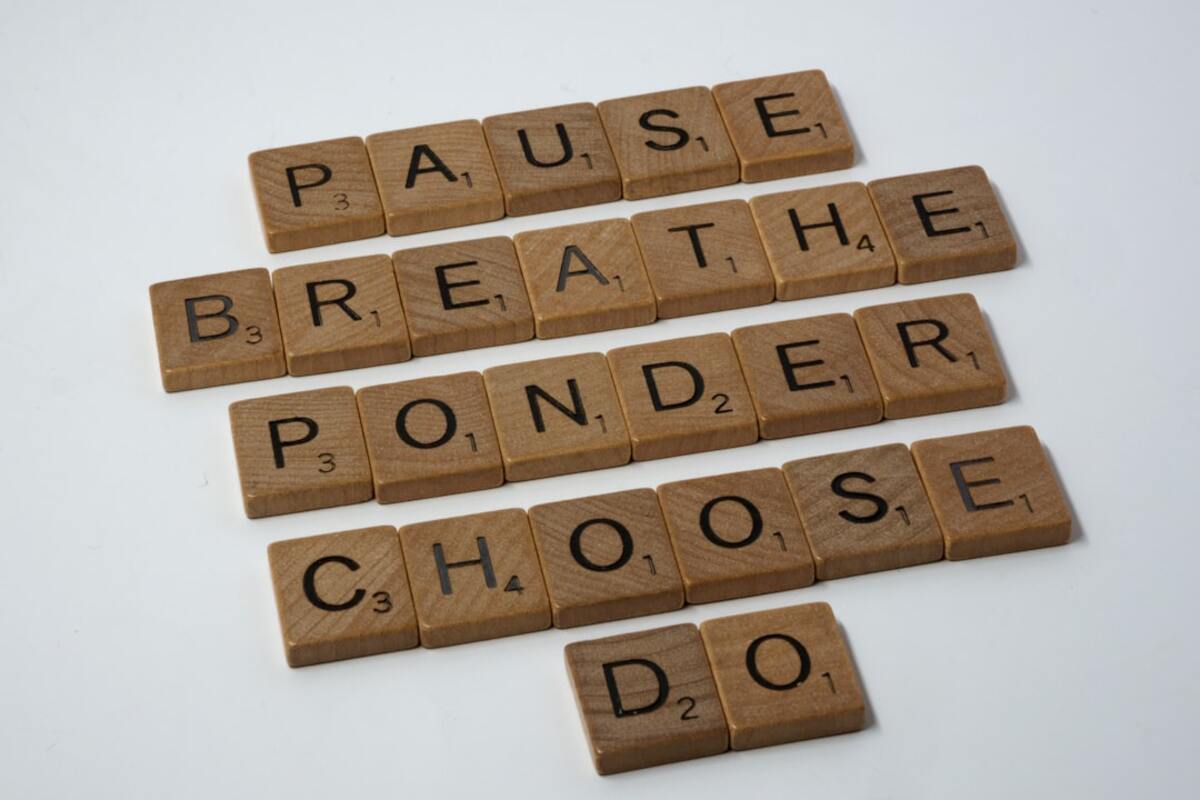
- The physiological sigh is a quick breathing pattern: two short inhales through the nose, then a long slow exhale.
- It’s designed to help your body offload excess air and tension fast—handy during spikes of stress or anxiety.
- You can build it into everyday moments (email overload, traffic, social nerves) without special apps or equipment.
That moment when your body hits “panic speed”
You know the feeling: your brain is trying to stay calm, but your body is already sprinting. Your chest feels tight. Your shoulders climb toward your ears. Your jaw clenches. Maybe you’re about to speak in a meeting, you just read a stressful message, or you’re lying in bed doing math on all the things you didn’t finish today.
In those moments, advice like “just relax” is about as useful as telling a boiling kettle to “be cooler.” What often helps more is something mechanical—like opening the steam valve. That’s where a simple breathing pattern called the physiological sigh comes in.
It’s quick, discreet, and easy to learn. You can do it at your desk without anyone noticing, in your car at a red light, or right before you hit “Join meeting.” It won’t solve your problems, but it can change your state—fast.

What the physiological sigh is (and how to do it)
The physiological sigh is a natural pattern your body already uses sometimes—especially when you’ve been crying, startled, or trying to calm down. It’s basically a “reset breath” that helps you feel less tight and more steady.
Here’s the basic version:
- Inhale through your nose (a normal inhale, not huge).
- Top it off with a second short inhale through your nose (like a little extra sip of air).
- Exhale slowly and fully through your mouth (longer than the inhales).
That’s one physiological sigh.
Try 1–3 rounds. Many people feel a shift after the first or second. If you want a simple rhythm, think: “In… in… loooong out.”
Common questions people have right away:
- Do I have to breathe through my mouth? The long exhale is often easiest through the mouth, but you can do it through the nose if you prefer.
- Should I force it? No. The goal is smooth, not dramatic. If you feel lightheaded, slow down and do fewer rounds.
- Is it the same as “box breathing”? Not really. Box breathing is structured and symmetrical (equal counts). The physiological sigh is intentionally uneven: two inhales + one long exhale.
Think of your lungs like a sponge. When you’re stressed, your breathing can get shallow and “stuck” high in the chest, leaving parts of the sponge underused. The second small inhale helps “open” a bit more of that sponge, and the long exhale helps wring it out.
Why it can work so quickly (without getting too technical)
When stress spikes, your body tends to shift into a higher-alert mode. That mode is useful if you’re stepping out of the way of a speeding bike. It’s less useful when you’re reading an email thread that’s turning into a drama series.
The physiological sigh aims to nudge your body out of that “amped up” state by emphasizing a long, complete exhale. Long exhales are often associated with a downshift—like easing your foot off the gas pedal.
There’s also a practical, physical piece: many of us accumulate “leftover” air when we’re tense (shallow breaths, tight chest, not fully exhaling). The two-step inhale can help expand areas that weren’t inflating well, and the long exhale helps clear out more air than a quick puff would. The result for many people is a noticeable drop in chest tightness and a slightly slower internal tempo.
To make it relatable, imagine you’re trying to calm a crowded room. You can’t convince everyone with a speech in 10 seconds—but you can open the windows and turn down the music. The physiological sigh is like opening the windows.
When it tends to feel most helpful:
- Right after a jolt of stress (notification, conflict, sudden worry)
- Before a performance moment (presentation, call, first date, difficult conversation)
- When you notice “body anxiety” (tight chest, fluttery stomach, clenched jaw)
- During late-night spirals, when you want your body to stop acting like it’s midday
It’s not magic. If you’re dealing with ongoing anxiety, burnout, or panic symptoms, breathing tricks are usually just one tool. But as a fast “state change,” it’s surprisingly effective for something that takes less time than opening a new tab.
How to use it in real life (work, social, sleep) without making it weird
Most wellness tips fail because they require a perfect environment: quiet room, candle, 20 minutes, no interruptions, a person who doesn’t have roommates, kids, deadlines, or neighbors who believe in leaf blowers at dawn. The physiological sigh is different because it’s portable.
Below are everyday scenarios and how this breath can fit in naturally.
Scenario 1: The email that spikes your heart rate
You open a message that starts with: “We need to talk.” Your stomach drops. Before you type anything, do two rounds of the physiological sigh. Then re-read the email. You’re not trying to become emotionless—you’re trying to stop your body from writing the reply for you.
Scenario 2: You’re about to speak and your voice feels tight
Right before you unmute, do one round. Keep it subtle: inhale through the nose, quick top-up inhale, long exhale through slightly parted lips. That long exhale often relaxes the throat and reduces the “squeezed” feeling that can show up when nerves hit.
Scenario 3: Post-work decompression that doesn’t involve collapsing into your phone
You get home and feel restless, but also tired. Instead of immediately scrolling, try: shoes off, stand still, three rounds. You’re telling your nervous system, “The sprint is over.” This can make it easier to transition into dinner, a walk, or a calmer evening.
Scenario 4: Bedtime when your brain is racing
You’re exhausted but keyed up. Do 1–3 rounds and then let your breathing return to normal. If you find yourself “trying too hard,” reduce it to just one sigh—then stop. Over-effort can backfire and keep you mentally engaged.
| Moment | How many rounds? | Helpful cue |
|---|---|---|
| Before a call/presentation | 1–2 | “In… in… long out. Soften shoulders.” |
| After a stressful message | 2–3 | “Exhale like fogging a mirror—slow.” |
| End of workday | 3 | “Let the exhale be longer than you think.” |
| In bed, trying to settle | 1–3 (gentle) | “No forcing. Just one good long out-breath.” |
A useful mindset: don’t treat the physiological sigh like a full meditation session. Treat it like washing your hands—quick, practical, and done as needed.
Stop and breathe normally. Lightheadedness usually means you’re breathing too big or too fast. Next time, make both inhales smaller and keep the exhale slow. One round may be enough.
Stop and breathe normally. Lightheadedness usually means you’re breathing too big or too fast. Next time, make both inhales smaller and keep the exhale slow. One round may be enough.
Yes. Keep the exhales gentle (no dramatic “haaah”). A soft mouth-exhale or a nose-exhale works. The key is the pattern: two inhales, then a longer exhale.
Yes. Keep the exhales gentle (no dramatic “haaah”). A soft mouth-exhale or a nose-exhale works. The key is the pattern: two inhales, then a longer exhale.
For most people, gentle breathing practices are fine. If you have respiratory or cardiac conditions, or you’re prone to panic attacks where breath focus makes things worse, it’s smart to go slowly and consider guidance from a clinician. Never push into discomfort.
For most people, gentle breathing practices are fine. If you have respiratory or cardiac conditions, or you’re prone to panic attacks where breath focus makes things worse, it’s smart to go slowly and consider guidance from a clinician. Never push into discomfort.
If you want to make it even easier to remember, link it to a consistent trigger: before you open your inbox, after you close your laptop, or when you turn off the lights at night. You’re basically teaching your body a tiny, repeatable “downshift” button.
And if you try it and think, “That’s it?”—that’s kind of the point. Wellness tools that actually survive real life are usually simple, slightly unglamorous, and surprisingly effective when used at the right time.